cat-han-Ks6wd1Zyf1o-unsplash

Minimalism and monomaterials: quiet elegance in jewelry

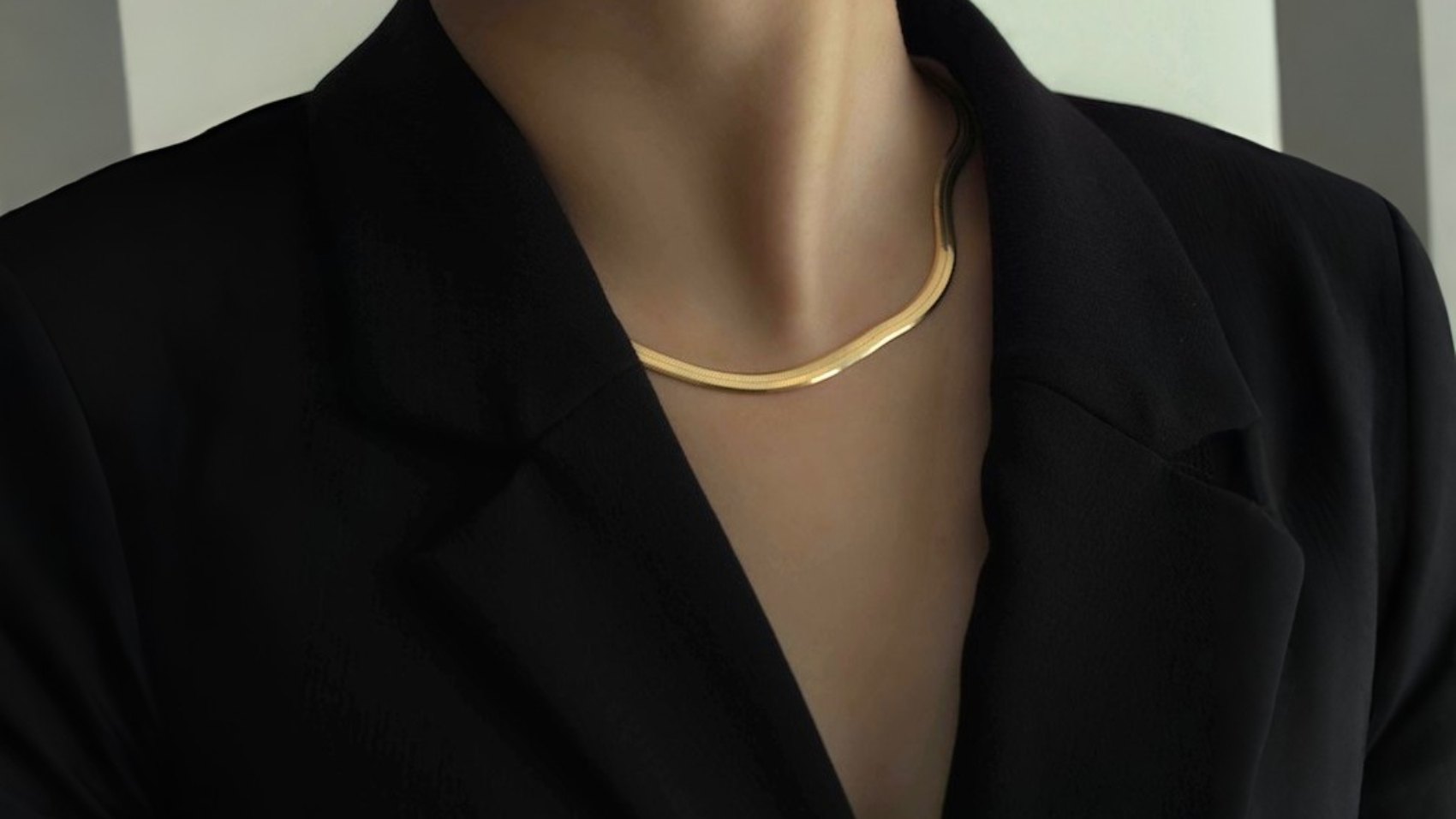
Relevance: 2026 continues to celebrate simplicity and mindfulness. Minimalism in jewelry is not just the absence of decoration, but a philosophy where form, material, and texture speak for themselves. Monomaterials enhance this approach by offering pieces made from a single metal or raw material without unnecessary embellishments.

What is minimalism and monomaterials?

Minimalism in jewelry is the rejection of excessive decoration, complex structures, and bright accents. Forms are reduced to geometric simplicity: thin lines, circle, square, oval. Monomaterial means that the piece is made from one type of metal (or one basic raw material) without combining with other colors or textures. Together, they create a harmonious, thoughtful look that is suitable for everyday wear and remains relevant for years.

Key features of minimalist jewelry

  • Concise form: absence of complex curls,

    asymmetries and multilayering. Simple geometric silhouettes are often used.

  • Monomateriality: the decoration is made from a single metal (for example, only 925 silver, only yellow gold) without inlays or with a minimal number of identical inlays.
  • Absence of bright stones: if stones are present, they are either transparent cubic zirconias or stones that match the color of the metal (for example, white diamonds in platinum).
  • Thin lines: chains with a small cross-section, thread bracelets, rod rings with a width of 1–2 mm.
  • Matte or polished surfaces without additional decoration, engravings, or texturing.

Popular monomaterials

Minimalism values noble metals and materials that maintain external simplicity while emphasizing quality:

  • 925 silver – a classic of minimalism. Matte silver creates a restrained look, polished silver adds a touch of shine.
  • Gold (yellow, rose, white) – used as a standalone material, often without rhodium plating, to preserve its natural color.

  • Stainless steel – a modern choice for those who value durability and a cool metallic shine.
  • Titanium – a lightweight, hypoallergenic material, often available in gray or anodized shades (but in minimalism, the natural color is preferred).
  • Wood, ceramics, glass – used in artisanal works where the single material emphasizes the natural texture.

Shapes and Silhouettes

Minimalism operates with a limited set of shapes, each perfected:

  • Circles and rings: stud earrings, hoop rings, pendants in circular form.
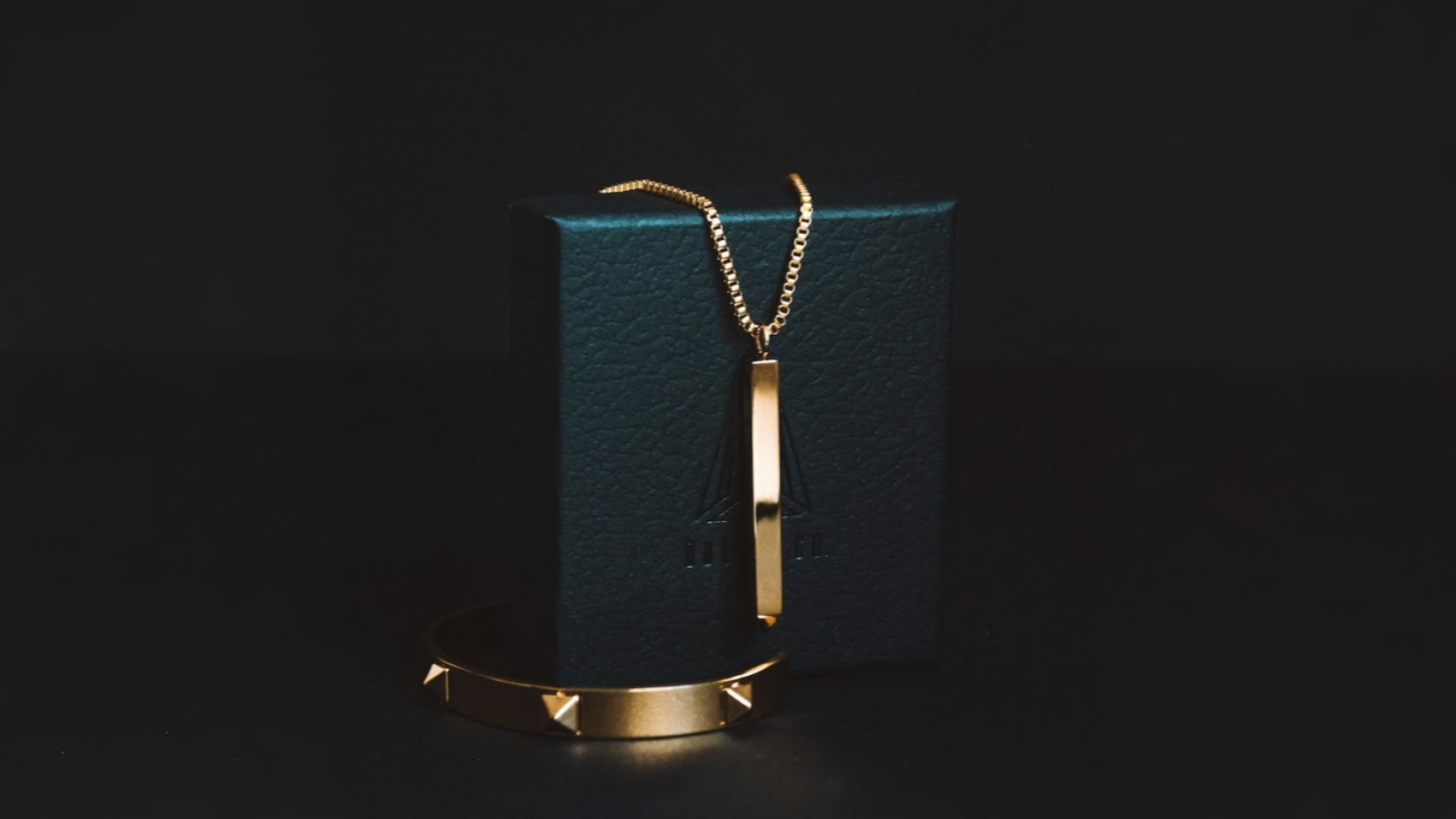
  • Straight lines: long stick earrings, bar bracelets, plate pendants.
  • Geometric shapes: square, rectangle, triangle — without additional faceting.

  • Drop and oval: smooth shapes without sharp angles, maintaining simplicity.

How to wear minimalist jewelry made from mono-materials

The main advantage of this style is versatility and the ability to create complex looks without excessive brightness:

  • Layering without overload: several thin chains of different lengths made from the same metal look like a cohesive whole.
  • Mix of sizes: a combination of thin and slightly more substantial rings on one finger or bracelets of varying widths.
  • Subtle accent: one bright (in size, but not in color) piece of jewelry — for example, a large smooth gold necklace — sets the tone for the entire look.
  • Combination with clothing: minimalist jewelry perfectly complements monochrome looks, business suits, cashmere, silk, and cotton.

Why is this trend still relevant in 2026?

In an era of information overload and an abundance of visual stimuli, minimalism becomes a form of self-defense. Jewelry made from mono-materials meets the demand for conscious consumption: it does not go out of style, is easy to mix and match, and can be worn for years. Additionally, it aligns with sustainability principles—one quality material is easier to recycle, and such items are less likely to end up in the trash.

Designers are increasingly offering collections based on the purity of form and the nobility of a single metal. Jewelry houses are releasing “capsule” lines where each piece is self-sufficient yet easily combines with others within the same aesthetic.

Current trends for the 2026 season

  • Rings with a width of 1–1.5 mm,

    that can be worn on the toes up to 5-6 pieces on a finger.

  • Stud earrings with a minimalist geometric cap (circle, square, triangle) made of a single metal.
  • Bracelets made of steel mesh or linked rings without clasps (sliders).
  • Pendants in the form of a thin plate with a matte surface.
  • “Invisible” jewelry — very thin ankle chains, thread bracelets, barely noticeable hoop earrings.
connor-botts-9-5t1Jldx_U-unsplash

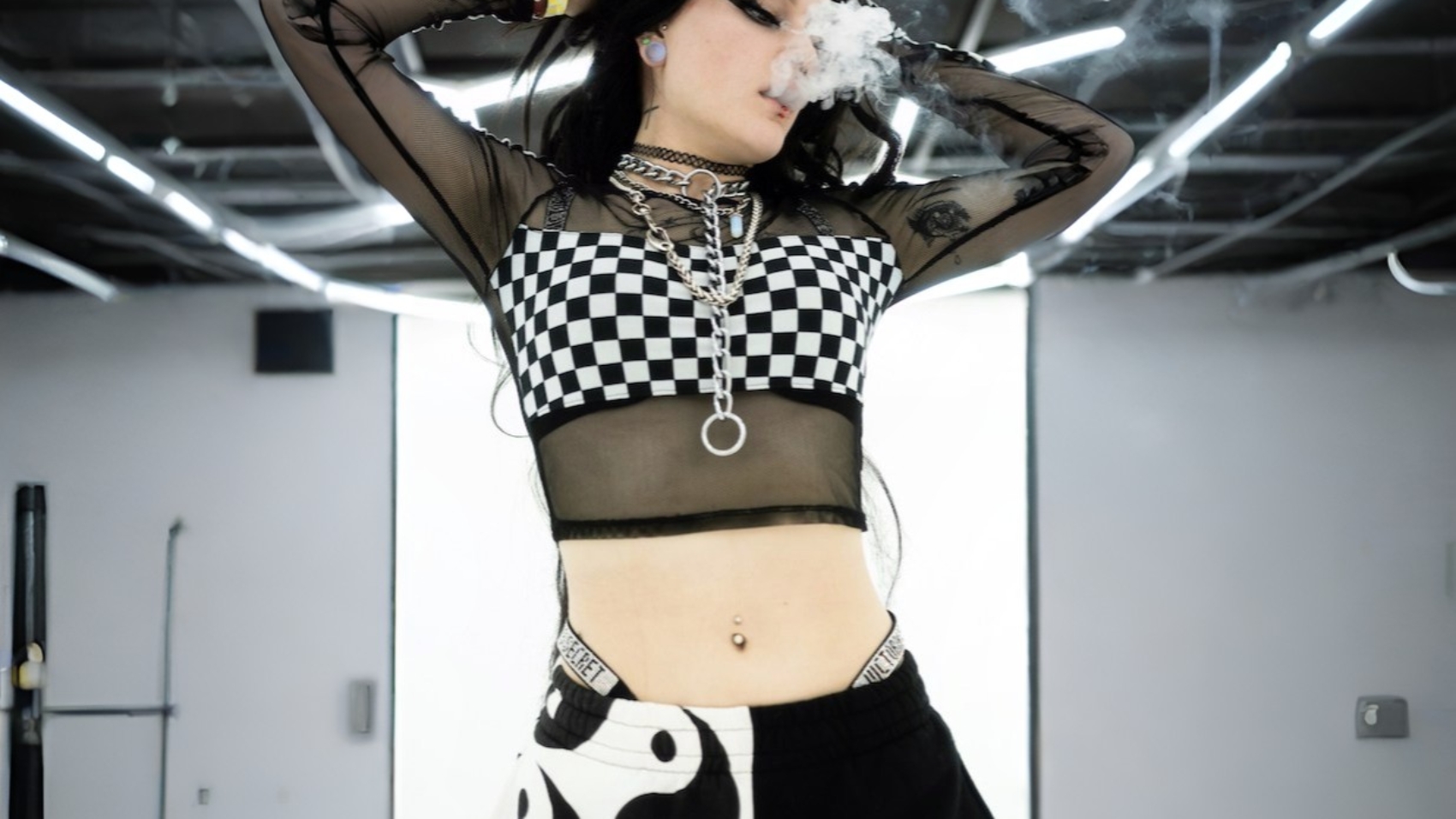
Grunge and punk aesthetics: rebellious style in jewelry

Relevance: 2026 is the year of the return of the energy of the 90s and 2000s. Chunky chains, spikes, leather, and silver become the main tools of self-expression. Let’s explore how punk culture and grunge have transformed into one of the most sought-after trends in costume jewelry and jewelry design.

What are grunge and punk aesthetics in jewelry?

This is a style that rejects glamour and the ideal of “neatness.” At its core is a deliberate roughness, layering, black metal, asymmetry, and a DIY spirit (do it yourself). The jewelry looks as if it has been assembled from available parts: chains, studs, carabiners, old watch mechanisms. The main goal is to express individuality, often with a hint of protest or nostalgia for the alternative culture of the 90s.

Key elements of grunge jewelry

  • Chains – thick, with large links. Worn as necklaces, bracelets, or even as belts. Often used in layered combinations.
  • Spikes and studs – a classic of punk. They can be found on rings, bracelets, chokers, as well as on clothing (as part of an accessory).
  • Carabiners, locks, metal hardware – elements that resemble climbing or industrial gear. They turn into pendants or fasteners.
  • Midi rings – several rings on one finger or thin bands on the upper phalanges.
  • Chokers – narrow or wide, made of black leather, velvet, or metal mesh. Often complemented with a spike pendant or a cross charm.
  • Piercing-style without piercings – cuffs (clip-on earrings for cartilage), chainers (chains connecting earrings to piercings), nostril ring imitations.

Materials and Textures

Grunge does not tolerate ostentatious luxury. Favorable materials include aged noble silver, blackened metal, and matte stainless steel. Gold, if used, is only in dark, muted shades (rose gold with blackening) or as accents on rough chains. Leather (often black or embossed), textile cords, nylon, and “random” details such as washers, nuts, and bicycle chains transformed into jewelry are actively used.

How to Wear: Combination Principles

  • Layering – several chains of different lengths, a combination of thin and chunky links, layering bracelets on top of each other.
  • <li

    Asymmetry – different earrings in the ears (one chain, the other – stud), rings on different fingers without symmetry.

  • Balance with clothing – grunge jewelry works best with simple items: black t-shirts, leather jackets, jeans, plaid shirts, chunky boots. They become the central accent.
  • >Mixing Styles – the modern trend allows for the combination of punk accessories with elegant clothing (for example, a chunky chain over a silk dress) to create contrast.

Style Icons and Cultural Code

Grunge in jewelry owes its popularity to the music of the 90s: Kurt Cobain, the band Hole, the punk scene, and the riot grrrl movement. Later, this style was embraced by designers (Vivienne Westwood, Alexander McQueen), making rough chains and spikes a part of high fashion. Today, the trend is experiencing a renaissance due to the renewed interest of Generation Z in the aesthetics of the 90s-2000s, as well as a desire to move away from “faceless” mass culture towards more personal, brutal forms.

Current Trends for the 2026 Season

This year, brands are offering:

  • Ear cuff earrings shaped like multiple spikes that attach along the entire ear;
  • Chain bracelets with integrated carabiners, allowing for the attachment of additional charms;
    • Transformable necklaces that can be worn as a choker, long chain, or even a belt;
    • Combined jewelry made of silver and titanium with a “blackened metal” effect;
    • “Smart” chains with magnetic clasps that can be easily combined with each other.
alex-azabache-y2ErhoE92KA-unsplash

Angular jewelry styles: geometry as the main focus

Trend: architectural forms, clear lines, and asymmetry in jewelry and fashion accessoriesIn the world of jewelry, the aesthetics of angles, facets, and constructivism are becoming increasingly prominent. Smooth lines are giving way to bold geometric solutions — from minimalist cubes to complex polygonal structures. Let’s explore the main directions of angular style.

1. Architectural Minimalism

Inspired by Bauhaus style, brutalism, and modern architecture, this approach utilizes simple shapes: square, triangle, rectangle. The jewelry resembles miniature versions of buildings or graphic compositions.

  • Typical shapes: flat squares, volumetric parallelepipeds, broken lines.
  • Materials: silver, titanium, steel with matte or polished surfaces.
  • Examples: “stair” earrings, rings with cut corners, pendants in the shape of geodesic domes.

2. Faceted Stones and Asymmetrical Cuts

Classic round diamonds are being replaced by fancy cuts: baguette, asscher, princess, trillion. Stones with sharp angles cut into the metal, creating a play of light and shadow. Such inserts look particularly striking in cuff earrings and transformer rings.

  • Accent: contrast between the cool shine of the facets and the matte surface of the setting.
  • Technique: pavé setting with geometric patterns.

3. Constructive Jewelry

Modular systems, where parts connect at angles, are another manifestation of angular style. Earrings that can be assembled from separate elements, transformer bracelets with hinge connections, necklaces with movable angles.

  • Idea: the owner changes the configuration themselves, creating new sharp silhouettes.
  • Materials: often use gold with rhodium plating, a combination of metals with different textures.

4. Asymmetry and Zigzag

Angularity is not necessarily symmetrical. One of the main directions is the intentional broken line: earrings of different lengths, rings with an off-center design, pendants resembling lightning. This approach adds dynamism and a modern sound to the look.

  • How to wear: asymmetrical pairs are often combined with minimalist clothing to make the jewelry the main accent.
  • Trend of the season: zigzag earrings made of several hinged links.

5. Neo-Brutalism in Costume Jewelry

Mass-market and independent brands are actively embracing the aesthetics of rough, deliberately unpolished forms. Rough surfaces, intentional “unfinished” looks, visible welds, and connections turn the jewelry into art objects.

  • Popular elements: thick chains with square links, “staple” bracelets, “nut” rings.
  • Materials: recycled aluminum, brass with blackening, ceramics with geometric relief.

6. How to Combine Angular Jewelry

The main rule is balance. If a piece of jewelry has a complex geometric shape, the other accessories should be as simple as possible. Angular earrings look best with smooth hairstyles, while constructible rings are best worn on elongated fingers without other jewelry. Clothing should feature concise silhouettes and monochrome colors that emphasize the graphic nature of the details.

Angular style is not just a form, but a way to express one’s love for architectural aesthetics, minimalism, and bold solutions. It works equally well in luxury jewelry collections and affordable costume jewelry, remaining one of the most sought-after directions.

photo-output-1

Ethno-fusion: a dialogue of cultures in contemporary jewelry

Relevance: 2026 is the year for rethinking cultural heritage. Ethno-fusion in jewelry combines traditional motifs from various cultures with modern design, creating unique, authentic, and versatile pieces. It is not just a style, but a way to tell a story while respecting the roots.

What is Ethno-Fusion?

Ethno-fusion (from English ethnic fusion) is a direction where elements of traditional cultures (ornaments, techniques, materials, symbolism) are integrated into modern jewelry design. Unlike stylization or exact copying, fusion implies mixing different cultural codes, often combined with minimalism, grunge, or other contemporary styles. The result is jewelry that looks both archaic and ultra-modern.

Cultural Sources of Inspiration

Contemporary designers draw inspiration from traditions around the world. Here are the main directions:

  • African Motifs: geometric patterns, textured casting, use of natural materials (wood, bone, clay), bright colored glass (Viennese beads).
  • Scandinavian and Celtic Aesthetics: runic symbols, woven ornaments, cold metal, minimalist forms with sacred meaning.
  • Eastern Traditions: filigree, engraving, use of turquoise, coral, jade, complex layered necklace constructions.
  • Slavic and European Folk Culture: embroidered motifs, blown beads, monista, lunitsy, kolty in modern interpretation.
  • Latin American Heritage: bright floral painting, silver with blackening, large textile elements.

It is important that modern ethno-fusion avoids direct copying of sacred or culturally significant symbols, instead offering their artistic reinterpretation.

Materials and Techniques

Ethno-fusion values naturalness, tactility, and handmade craftsmanship. The jewelry uses:

  • Metals: silver (often with blackening or matting), brass, copper, aged bronze. Gold is used less frequently and usually as accents.
  • Natural Stones: turquoise, lapis lazuli, malachite, carnelian, amber, agate, rock crystal. Stones in cabochons or with natural texture are valued.
  • Organic Materials: wood (rosewood, ebony), bone (ethical imitation), shells, mother-of-pearl, leather, textiles, seeds, feathers.
  • Techniques: hand casting, filigree, granulation, weaving, bead embroidery, macramé, combining metal with fabric and leather.

Key Forms and Elements

  • Multi-layered Necklaces and Monista — several strands of beads, chains, pendants of varying lengths.
  • Large Chandelier Earrings with ethnic pendants, often asymmetrical.
  • Bangle Bracelets made of metal or wood, sometimes with engraving or inlay.
  • Amulet Pendants in the form of symbols (sun, moon, animals, geometric signs) in modern execution.
  • Rings with Large Cabochons in massive settings.
  • Belts and Textile Accessories with metal details, tassels, coins.

How to Wear Ethno-Fusion: Modern Rules

Ethno-jewelry requires a careful approach to ensure the look does not appear costume-like or museum-like. The main principles:

  • Minimalism in Clothing: solid-colored items, natural fabrics (linen, cotton, wool), simple silhouettes — an ideal base for bright ethnic accents.
  • One accent: if you choose a large multi-layered necklace, earrings and bracelets should be as understated as possible or absent altogether.

  • Mixing styles: an ethnic necklace can be worn with jeans and a white t-shirt, while wooden bracelets can complement a business shirt. It is the contrast that adds modernity.
  • Layers and combinations: ethno-fusion loves layering: combine a short necklace with a long chain and pendant, and several bracelets of different textures.
  • Respect for culture: avoid using sacred symbols in inappropriate contexts. Choose jewelry that is created with an understanding of traditions or is a modern interpretation.

Why is ethno-fusion relevant in 2026?

The modern world strives for authenticity, conscious consumption, and the preservation of cultural diversity. Ethno-fusion meets these demands: such jewelry is often handmade, using local materials and traditional techniques, supporting artisan communities. Moreover, they do not conform to fleeting trends — each piece has its own story and individuality. In the era of globalization, ethnic motifs become a way to express one’s identity and respect for the cultures of the world.

Current trends for the 2026 season

  • Collar necklaces made from combined materials: wood + silver, leather + brass.
  • Ear cuff earrings with ethnic engraving that wrap around the edge of the ear.
  • Spiral bracelets made from memory metal with inlaid natural stones.
  • Pendant lockets with dual meanings: the outer side features a modern geometric pattern, while the inner side displays a traditional symbol.
  • Collections created in collaboration with indigenous artisans, preserving authentic techniques but adapted to modern style.